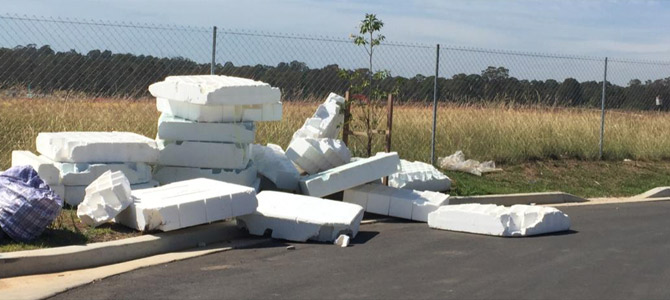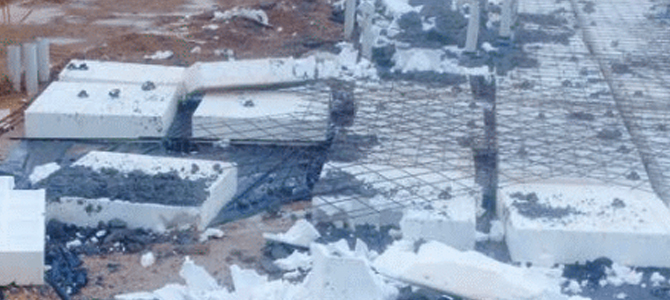
Expanded polystyrene (EPS) waffle pods have become a common material for creating voids in concrete slabs for construction projects, particularly in residential foundations. While their use is intended to streamline the building process and reduce concrete volume, EPS waffle pods have significant environmental drawbacks. In this blog, we’ll explore the damage EPS waffle pods can cause to the environment and discuss sustainable alternatives for the construction industry.
1. Non-Biodegradability and Long Lifespan
EPS, commonly known as Styrofoam, is a form of plastic that is lightweight, rigid, and inexpensive to produce. However, it has a very long decomposition time—some estimates suggest hundreds of years. This means that when EPS waffle pods are damaged or discarded improperly, they remain in the environment indefinitely, contributing to land and marine pollution.

2. Microplastic Pollution
EPS can easily break down into smaller pieces, creating microplastics that pollute soil, waterways, and oceans. This fragmentation is accelerated when EPS pods are exposed to the sun, wind, and physical stress. In landfills or construction waste sites, these small particles often escape into surrounding ecosystems, threatening wildlife and marine life as they are mistaken for food, entering the food chain and affecting both animals and humans.

Expanded polystyrene (EPS) waffle pods have become a common material for creating voids in concrete slabs for construction projects, particularly in residential foundations. While their use is intended to streamline the building process and reduce concrete volume, EPS waffle pods have significant environmental drawbacks. In this blog, we’ll explore the damage EPS waffle pods can cause to the environment and discuss sustainable alternatives for the construction industry.
3. Hazardous Chemical Leaching
EPS contains a variety of chemicals, including benzene and styrene, which can leach out over time, particularly in landfills. These chemicals have been linked to health issues in humans and animals, and when they seep into soil and groundwater, they contaminate vital water sources. Styrene, in particular, is known to be a carcinogen, and its release into the environment can have long-term effects on ecosystems and human health.

4. High Carbon Footprint
EPS is derived from petroleum, a non-renewable resource, which means the production process itself has a significant carbon footprint. This includes the extraction of raw materials, transportation, and manufacturing processes, all of which release greenhouse gases. The impact is magnified when EPS waffle pods are not reused or recycled, as producing new EPS items contributes continuously to carbon emissions.

5. Lack of Recyclability
Though technically recyclable, EPS is often not accepted in standard recycling facilities due to its lightweight nature and the contamination from concrete residues in the construction industry. As a result, most EPS waffle pods end up in landfills. This lack of recyclability poses a challenge for sustainable waste management and strains landfill capacities.

6. Wildlife Threats
Both on land and in the ocean, wildlife is often attracted to the white particles of EPS, mistaking them for food. Ingesting EPS particles can lead to digestive blockages, malnutrition, and even death in birds, fish, and other animals. EPS waste in coastal areas is particularly harmful to marine species, where it becomes part of the broader issue of plastic pollution affecting oceans globally.

—
Sustainable Alternatives to EPS Waffle Pods
Fortunately, there are alternatives to EPS waffle pods that offer a more sustainable approach to concrete foundation void formers:
1. Recycled Concrete Void Formers Innovation: Made from recycled materials, these void formers are environmentally friendly and reduce waste by repurposing concrete.
2. Recyclable Plastic Void Former Innovation: Durable and designed for multiple uses, these void formers can significantly reduce single-use plastic waste. Concrete typically does not stick well to recycled polypropylene or any other plastic material, including new polypropylene. Polypropylene is a type of plastic with a low surface energy, meaning it’s difficult for other materials, like concrete, to bond with it effectively.
—
Conclusion
While EPS waffle pods may offer certain benefits in construction, their environmental impact is undeniable. From microplastic pollution to high carbon footprints and non-biodegradability, EPS poses risks to both ecosystems and human health. The construction industry has a responsibility to adopt sustainable alternatives and improve waste management practices to reduce the environmental damage caused by EPS waffle pods.
To find out more about Recycled Concrete Void Formers visit www.sgf.com.au